
Roof Maintenance for Condo Associations: The Complete Guide
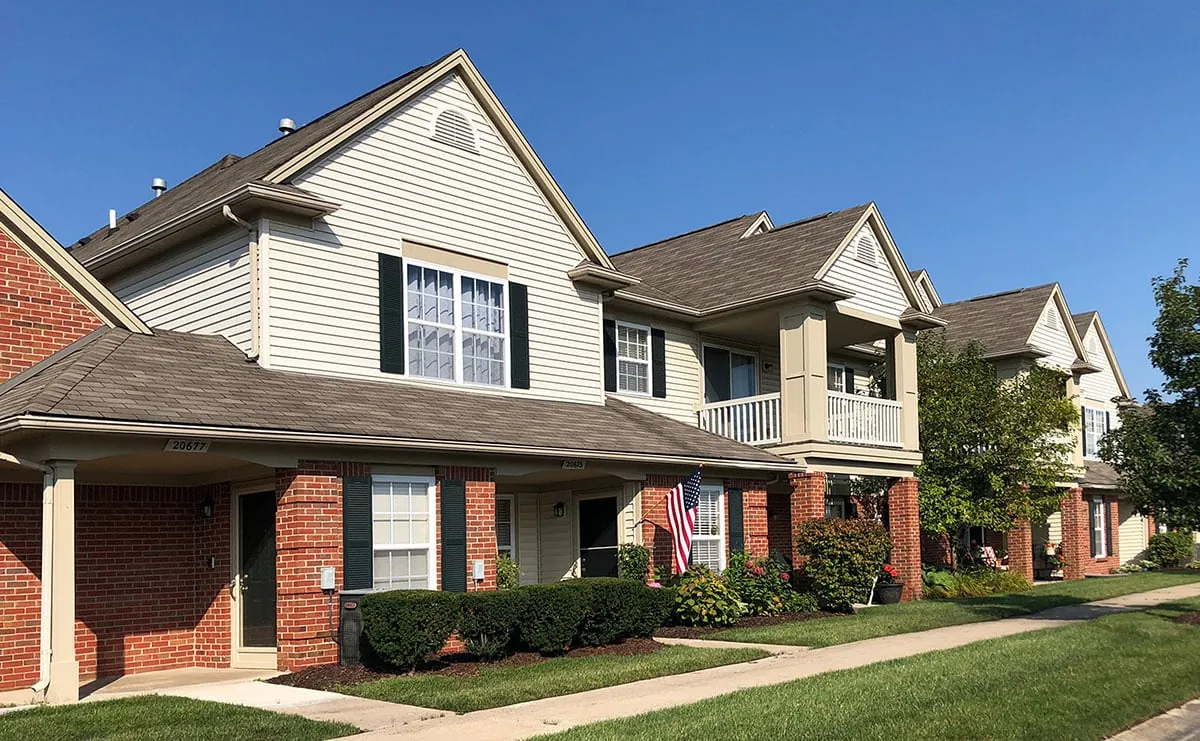
Roof maintenance is one of the most neglected responsibilities in condominium management. However, boards tend to prioritize landscaping, snow removal, resident communication, and budgeting.
Meanwhile, the roofing system quietly degrades until a leak, assessment, or emergency repair forces action to be taken. A structured roof maintenance plan eliminates this pattern and protects the association’s long-term financial health.
A well-maintained roof stabilizes operating budgets, preserves property value, and reduces legal exposure. Condo owners and board members need a clear process for inspection, documentation, budgeting, and contractor selection. This guide establishes the essential framework.
If you have questions that we don’t cover in our guide, please call us or use this form to reach out to us.
Why Roof Maintenance Matters for HOA and COA Communities
A consistent roof maintenance program helps condo and HOA boards reduce risk, control costs, and protect their buildings by addressing small issues before they turn into major problems.
Extends Roof Lifespan in West Michigan Weather
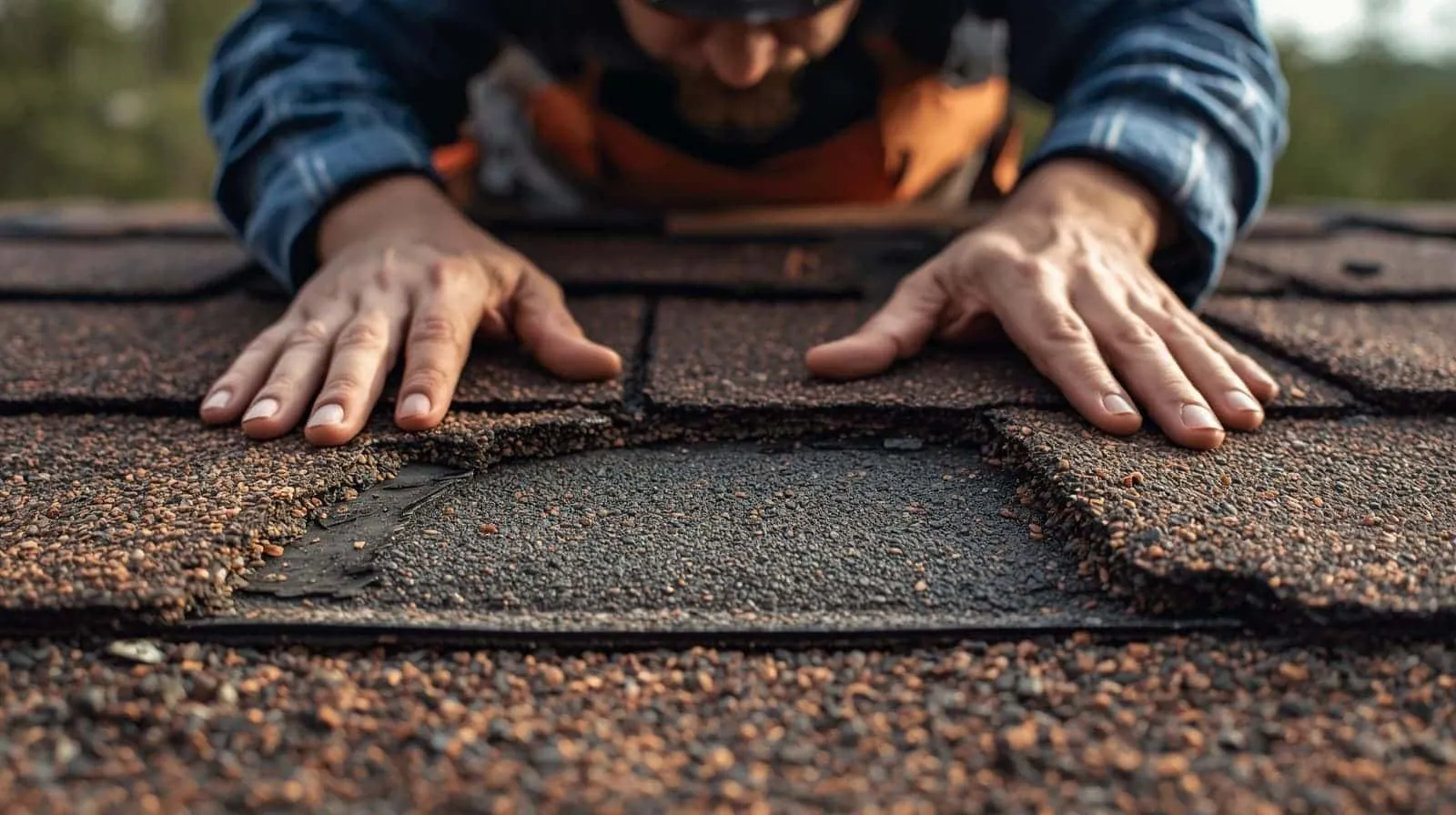
Routine maintenance slows natural deterioration caused by seasonal weather. Small issues such as loose flashing, clogged gutters, and early membrane wear can be addressed before they compound into systemwide failure. This approach extends replacement cycles and helps protect reserve funds.
Prevents Expensive Damage
Leaks, moisture intrusion, mold growth, and structural rot escalate quickly when left unaddressed. Regular inspections allow these problems to be identified and corrected early. The Community Associations Institute continues to emphasize preventive maintenance as a best practice for association governance.
Protects Property Value
A roofing system in good condition supports curb appeal and builds buyer confidence. Prospective owners often review an association’s maintenance history, and a documented roof maintenance plan signals responsible, proactive management.
Maintains Warranty Compliance
Many manufacturers require proof of routine inspections and maintenance to keep warranties valid. A formal maintenance program helps ensure warranty coverage remains enforceable when issues arise.
Supports Predictable Budgeting
Proactive roof care reduces the likelihood of emergency repairs and unexpected assessments. This allows condo and HOA boards to plan expenses more accurately and maintain stable long-term budgets.
→ Above Roofing specializes in working with condo associations and property managers.
How to Customize Roof Maintenance Plan for Your Association
A clear, repeatable maintenance plan helps associations stay compliant, control costs, and reduce unexpected roofing issues over time.
Review Governing Documents and Responsibility
Your association’s governing documents should outline maintenance obligations. If they don’t, initiate a plan with your board or management company immediately. Confirm how responsibility is divided between the association and individual unit owners.
Assess Funding and Reserve Adequacy
Review whether monthly dues adequately fund roof care and replacement reserves. Aging roofs may require a special assessment to correct underfunded reserves.
Partner with Qualified Roofing Expertise
Partner with a contractor experienced in multi-unit management. A roofing professional provides condition assessments, maintenance scheduling, documentation, and recommendations.
Establish a Clear Inspection Cadence
Annual inspections are the minimum. Most associations benefit from twice-per-year inspections, spring and fall, plus checks after major weather events.
The Five Core Steps of an Effective Condo Roof Maintenance Program
A successful roof maintenance program is built on consistent inspections, clearly defined tasks, and documentation that helps associations stay proactive instead of reactive.
1. Set Inspection Frequency
Schedule inspections by a licensed roofing contractor. Review roof system age, installation quality, and local weather patterns to set cadence. Add post-storm inspections for hail, high winds, or heavy snow.
2. Identify Essential Maintenance Tasks
Your plan should include:
- Gutter and downspout cleaning
- Debris removal from roof surfaces and valleys
- Shingle and membrane damage checks
- Flashing and penetration inspections
- Sealant evaluation
- Ventilation and attic moisture checks
Industry resources such as Roofing Contractor Magazine reinforce these as standard maintenance fundamentals.
3. Establish a Maintenance Budget
Include maintenance, repairs, and reserve contributions for future replacement. Predictable budgeting prevents emergency assessments.
4. Document All Findings
Maintain inspection reports, photos, repair records, warranties, invoices, and contractor recommendations. Documentation protects the association in insurance claims and warranty disputes.
5. Review and Update the Plan
Adjust the plan based on inspection results, roof aging, and climatic events. A static plan becomes obsolete; a dynamic plan keeps you ahead of deterioration.
4. Document All Findings
Maintain inspection reports, photos, repair records, warranties, invoices, and contractor recommendations. Documentation protects the association in insurance claims and warranty disputes.
5. Review and Update the Plan
Adjust the plan based on inspection results, roof aging, and climatic events. A static plan becomes obsolete; a dynamic plan keeps you ahead of deterioration.
Why Every HOA and COA Needs a Formal Roofing Plan
Most condo owners assume exterior maintenance is handled. Without a defined roofing plan, associations can be blindsided by leaks, mold, or full replacements that require immediate special assessments. A documented, enforced plan helps prevent avoidable crises and protects owner equity.
A well-structured roofing plan delivers:
- Ensures fiduciary responsibility
- Facilitates reserve study integration
- Standardizes contractor management
- Provides due diligence documentation
A formal roofing plan also makes it easier to make timely decisions, communicate clearly with owners, and avoid preventable problems turning into expensive emergencies.
Above Roofing: Contractor Support for Condo Associations
Condo associations need a contractor who can manage multi-building logistics, communicate clearly with boards and residents, and support long-term planning, not just complete the installation.
Specialized Multi-Unit Experience and Local Expertise
A multi-building community requires a contractor with scale, systems, and reliability. Above Roofing brings specialized multi-unit experience and local West Michigan expertise to help associations plan, execute, and maintain roofing projects with fewer surprises.
Transparent Documentation and Reporting
Above Roofing provides detailed inspections and photo documentation, along with clear reporting that helps boards understand current conditions, recommended scope, and next steps. Transparent communication also keeps property managers aligned on timelines, changes, and resident updates.
Confidence through Comprehensive Warranty
Associations benefit from working with licensed and insured roofing expertise backed by strong warranty coverage. Above Roofing offers a Lifetime Workmanship Warranty to help protect the association’s investment after the project is complete.
Partnership in Long-Term Financial Planning
Condo boards and property managers use Above Roofing for maintenance plans, budgeting guidance, inspections, and replacement evaluations. This partnership supports proactive decision-making and steadier reserve planning over time.
Ready to Protect Your West Michigan Association’s Roof?
Contact Above Roofing today for a no-obligation, on-site roof assessment and custom maintenance plan consultation.
Related articles
Buying a Home With an Older Roof in West Michigan: What to Check Before Closing
How often should I schedule a roof inspection?
3 Simple Tips for Cleaning a Blocked Soffit Vent