
Why Is My Attic Wet or Frosty in Winter? Roof Leak vs. Condensation in West Michigan
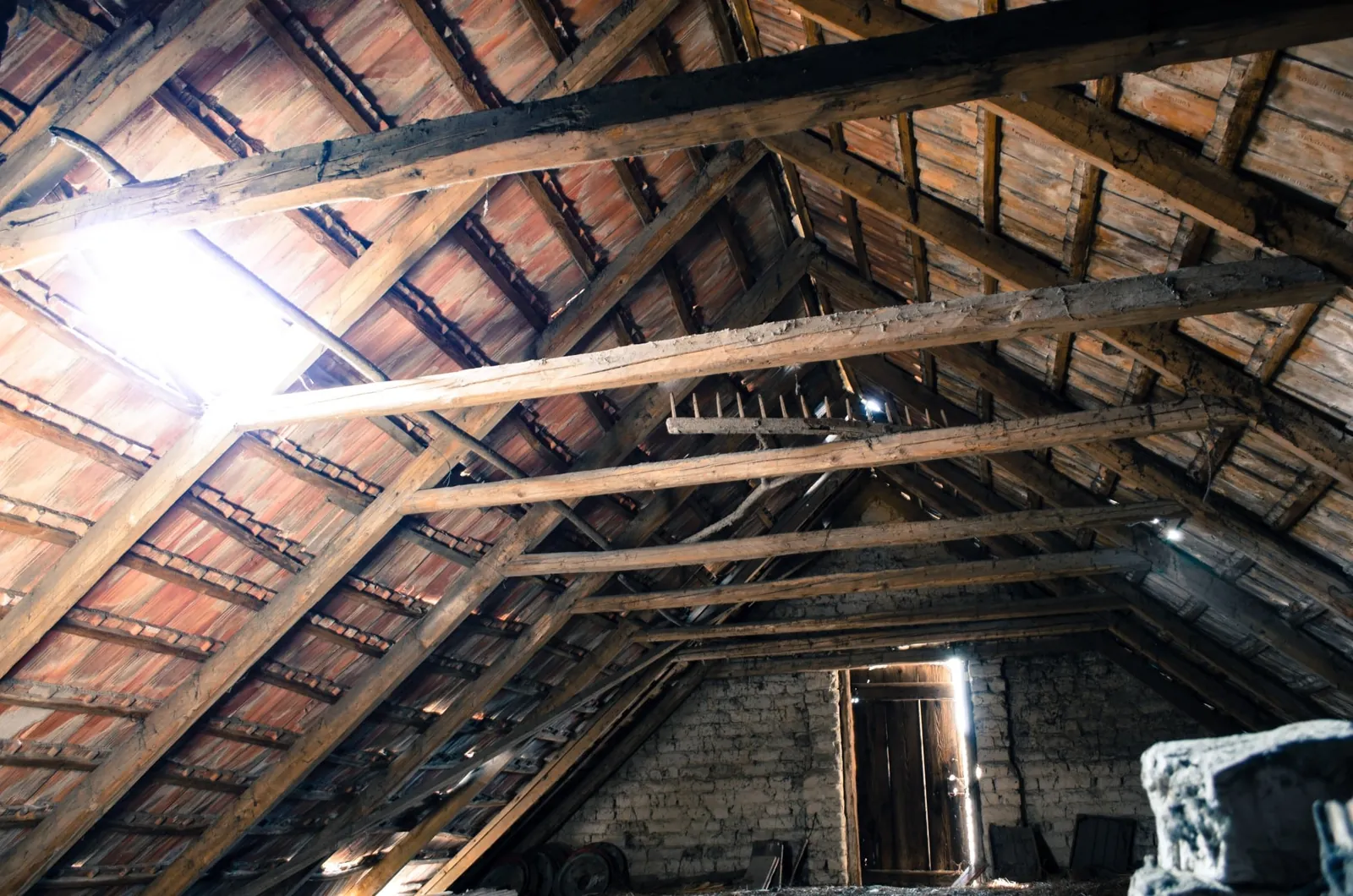
Finding moisture in your attic is unsettling. Maybe you noticed frost on the nail tips under the roof deck. Maybe the insulation feels damp. Maybe a brown ceiling stain showed up after a thaw, even though you never saw water dripping during the storm. In West Michigan, especially around Grand Rapids, Holland, and Jenison, winter roof problems can be tricky because a wet attic does not always mean the shingles are leaking.
Sometimes the problem is a true roof leak. Sometimes it is condensation. Sometimes it is an ice dam pushing water backward under the shingles. And sometimes two problems are happening at once.
The important thing is not to guess. A roof leak, attic condensation, and poor ventilation can all damage insulation, roof decking, drywall, and interior finishes if they continue long enough. But they do not all get fixed the same way. Replacing shingles will not solve indoor moisture leaking into the attic, and adding ventilation will not repair failed flashing or a worn pipe boot.
Here is how to think through the difference before you pay for the wrong fix.
Quick Answer: Is It a Roof Leak or Condensation?
A roof leak usually starts at a specific entry point. Water gets past the roof system through a vulnerable area such as flashing, a pipe boot, a chimney, a skylight, damaged shingles, or an ice dam. The moisture pattern is often more localized, and it may show up after rain, melting snow, wind-driven rain, or repeated freeze-thaw cycles.
Attic condensation usually comes from inside the home. Warm, moist indoor air escapes into a cold attic. When that humid air touches cold roof sheathing, rafters, trusses, or roofing nails, moisture can condense and freeze. The Building America Solution Center explains that cold-weather attic condensation is commonly tied to warm indoor air leaking into a cold attic, high indoor humidity, and limited drying or ventilation.
In plain English: a roof leak is water coming in from outside. Condensation is moisture from inside the house turning into water or frost when it reaches cold attic surfaces.
That distinction matters because the fixes are different.
What Attic Condensation Looks Like
Attic condensation often looks more widespread than a typical leak. You may see frost on many roofing nails, damp roof sheathing, dark staining on the underside of the roof deck, or wet insulation below several areas rather than one obvious hole.
Common signs include:
- Frost or ice on nail tips under the roof deck
- Damp or darkened roof sheathing
- Rusty nails
- Moisture droplets on wood or metal surfaces
- Damp insulation with no clear roof opening above it
- Musty attic odor
- Staining that appears after a cold snap warms up
- Moisture near bathroom fans, recessed lights, attic hatches, or plumbing penetrations
Condensation can feel especially confusing because it may not show up during a rainstorm. A homeowner might go weeks without seeing anything, then notice wet spots when temperatures rise and attic frost melts. That melting frost can drip onto insulation and eventually stain the ceiling below, which makes it look like the roof suddenly started leaking.
Condensation is not harmless. A small amount that dries quickly may not become a major issue, but repeated moisture can contribute to mold growth, wood rot, corrosion of fasteners, and deterioration of roof decking. The longer the attic stays wet, the more expensive the repair can become.
What a Roof Leak Looks Like
A roof leak is usually connected to a weak spot in the roof system. It may not be directly above the stain because water can travel along rafters, decking, insulation, or framing before it appears inside the home. Still, the source is usually more specific than attic-wide condensation.
Possible signs of a roof leak include:
- A ceiling stain that grows after rain or snowmelt
- Wet insulation in one concentrated area
- Water staining around a chimney, skylight, vent pipe, or roof valley
- Drips during heavy rain or wind-driven rain
- Missing, lifted, cracked, or damaged shingles
- Failed flashing around roof penetrations
- A leak near an exterior wall after ice dams form
- Water marks that trace down rafters or roof decking from one entry point
Above Roofing's roof repair page notes that many roof leaks are tied to flashing failures, worn pipe boots, ice dams, and improperly sealed penetrations, not just failed shingles. That is why a proper diagnosis matters. The visible stain is often only the end of the path water followed.
Why West Michigan Homes See Attic Frost
West Michigan winters create a perfect setup for confusing roof and attic symptoms. Homes are heated from the inside while the roof deck sits in cold outdoor air. Snow, freezing temperatures, lake-effect weather, and freeze-thaw cycles all put pressure on the roof and attic system.
Inside the home, everyday living adds moisture to the air. Showers, cooking, laundry, houseplants, humidifiers, and normal breathing all increase indoor humidity. If that warm, humid air can escape through gaps in the ceiling plane, it rises into the attic.
Common air-leak paths include:
- Bathroom fans that are not properly sealed or vented outdoors
- Recessed lights below the attic
- Attic access hatches or pull-down stairs
- Plumbing and electrical penetrations
- Gaps around chimneys or chases
- Whole-house fans without a well-sealed winter cover
- Dropped soffits or open framing cavities
Once that air reaches the attic, it can hit surfaces cold enough for moisture to collect. In very cold weather, that moisture may freeze as frost. When the attic warms, the frost melts and becomes liquid water.
Ventilation plays a role too. A balanced attic ventilation system helps move outdoor air through the attic so moisture can dry. But ventilation alone is not always the whole answer. If large amounts of warm, moist air are leaking from the living space into the attic, the source of that air leakage still needs attention.
How Ice Dams Fit Into the Problem
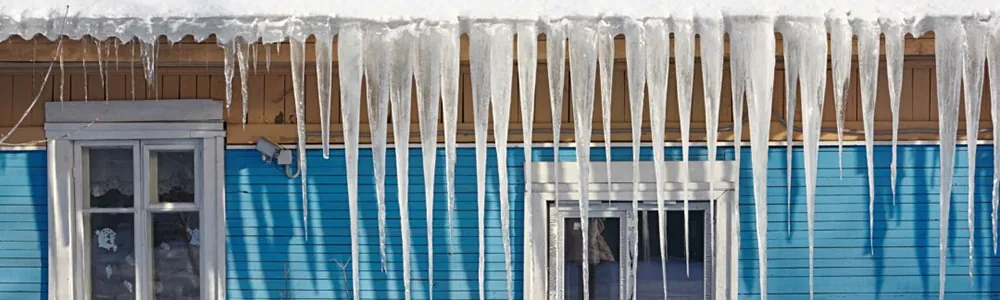
Ice dams can look like roof leaks because they can push water under shingles and into the attic. The State of Michigan's ice dam guidance explains that ice dams form when attic heat melts snow on the roof, the water runs down to colder eaves or gutters, and then refreezes. As that ice builds up, meltwater can pond behind it and back up under the roofing.
That means ice dams are often connected to attic heat loss, insulation, ventilation, and air leakage. They are not just a gutter problem.
Signs that ice dams may be involved include:
- Large icicles along the eaves or gutters
- Leaks or stains near exterior walls
- Water appearing after snow begins to melt
- Repeated issues in the same roof edge areas
- Snow melting unevenly on the roof
An ice dam leak is still water entering from outside, but the cause may involve the attic. A roofer needs to look at both sides of the system: the roof surface and the attic conditions underneath.
Safe Checks a Homeowner Can Do From Inside
You should not climb onto a snowy or icy roof to investigate. Most useful clues can be gathered safely from inside the home or attic.
If you can access the attic safely, bring a flashlight and step only on framed walking surfaces or joists. Do not step between framing members, because drywall will not support you.
Look for:
- Whether moisture is widespread or concentrated in one area
- Frost on many nails versus one wet trail
- Wet insulation under roof penetrations
- Bathroom fan ducts that stop in the attic instead of venting outside
- Blocked soffit vents or insulation packed tight against the eaves
- Dark stains on the underside of roof decking
- Rusted nail tips
- Daylight around penetrations, vents, or flashing areas
- Water trails near chimneys, skylights, pipe boots, or valleys
From inside the living space, note where stains appear. A stain near an exterior wall after snowmelt may point toward ice damming. A stain below a bathroom or kitchen roof vent may point toward a pipe boot or flashing issue. A stain in the middle of a ceiling with attic-wide frost above it may point toward condensation.
Take photos if you can do so safely. Photos of the stain, attic surface, wet insulation, and nearby roof penetrations can help a roofer understand what changed and when.
When It Is More Likely Condensation
Condensation becomes more likely when the attic has frost across many nails or wide areas of roof sheathing, when moisture appears during very cold weather and then drips during a thaw, or when there is no obvious roof penetration above the wet area.
It is also more likely if indoor humidity is high or if moisture sources are not vented correctly. Bathroom exhaust fans should not dump warm, wet air into the attic. Kitchen fans, dryers, and other exhausts also need to terminate outdoors according to the equipment and building requirements involved.
A condensation issue may require air sealing, insulation improvements, humidity control, and ventilation corrections. A roofing contractor can identify whether the roof ventilation is helping or hurting, whether soffit intake is blocked, and whether the roof deck shows damage. An insulation or building-performance contractor may also be needed when the root cause is air leakage or indoor humidity rather than a roofing defect.
When It Is More Likely a Roof Leak
A roof leak becomes more likely when water shows up after rain, wind-driven rain, or snowmelt in the same spot, especially near a roof penetration or transition.
Watch areas around:
- Chimneys
- Skylights
- Plumbing vent pipes
- Furnace or appliance vents
- Roof valleys
- Wall-to-roof intersections
- Dormers
- Step flashing
- Missing or damaged shingles
- Low roof edges affected by ice dams
If the leak appears near one of those areas, the repair may involve flashing, a pipe boot, underlayment, damaged shingles, or another roof-system component. Caulk is rarely a durable answer by itself. It may slow a drip temporarily, but it does not correct the underlying failure if flashing, shingles, decking, or ventilation are part of the problem.
What Not to Do
Do not assume a wet attic means you need a new roof. Some condensation problems can happen even when the shingles are in decent condition. At the same time, do not assume condensation is harmless or that ventilation alone will fix every moisture problem.
Avoid these common mistakes:
- Covering the stain with paint before finding the source
- Adding more attic insulation before air leaks are sealed
- Blocking soffit vents with insulation
- Running a humidifier heavily during very cold weather without monitoring indoor humidity
- Ignoring bath fans that vent into the attic
- Using caulk as the only repair around roof penetrations
- Waiting through several freeze-thaw cycles to see if the problem goes away
- Climbing onto an icy roof to check shingles yourself
The goal is not to panic. The goal is to identify the cause before the moisture damages more of the roof system.
When to Call a Roofer
Call a roofer when you see active dripping, recurring stains, wet insulation, dark roof-deck staining, suspected ice dam leaks, or moisture near chimneys, skylights, pipe boots, or flashing. You should also schedule an inspection if attic frost returns every winter or if the problem seems to be spreading.
A good inspection should look at both the attic and the roof. From the attic, the contractor can look for moisture patterns, ventilation issues, decking condition, insulation clues, and leak trails. From the roof, they can check shingles, flashing, pipe boots, valleys, skylights, chimney details, gutters, and ice-dam-prone edges.
That combination matters. Looking only at the roof surface may miss condensation. Looking only inside the attic may miss the exterior entry point.
Get an Honest Diagnosis Before You Choose a Fix
If your attic is wet, frosty, or stained after winter weather, Above Roofing can help you sort out what is actually happening. The answer may be roof repair. It may be ventilation. It may be insulation and air sealing. It may be an ice dam issue or a failed flashing detail. The right fix starts with the right diagnosis.
Above Roofing provides residential roof repair, roof replacement, gutters, skylights, and chimney flashing repair for homeowners across West Michigan, including Grand Rapids, Holland, and Jenison.
If you are seeing frost, damp insulation, ceiling stains, or water after a thaw, schedule a free, no-pressure inspection. You will get a clear explanation of what is going on and what, if anything, needs to be fixed.
Frequently Asked Questions
Is frost in the attic always a roof leak?
No. Frost in an attic is often caused by warm, moist indoor air leaking into a cold attic and freezing on roof sheathing, framing, or nail tips. A roof leak is still possible, especially near flashing, pipe boots, chimneys, skylights, valleys, or ice-dam areas, so the pattern needs to be inspected.
Why does my ceiling stain show up after the weather warms?
If frost has formed in the attic during a cold spell, it can melt during a thaw and drip onto insulation or drywall. Ice dams can also leak during melt periods. Timing is a clue, but it does not prove the cause by itself.
Can more attic ventilation fix condensation?
Sometimes ventilation helps, but it is not always enough by itself. If warm, humid house air is leaking into the attic, air sealing and humidity control may also be needed. The attic should be inspected before adding vents or insulation.
Should bathroom fans vent into the attic?
No. Bathroom fans move humid air, and that air should be exhausted outdoors. Venting a bathroom fan into an attic can add moisture where it can condense on cold surfaces.
Do ice dams mean my gutters are the problem?
Not usually by themselves. Clear gutters help water drain, but ice dams often involve heat loss, attic insulation, ventilation, and roof-edge conditions. Michigan.gov notes that attic insulation and airflow are important for reducing the freeze-thaw cycle that contributes to ice dams.
Related articles
The Importance of Attic Ventilation for Homeowners
How to Remove Raccoons in Your Attic: A Quick Guide
Your Ultimate Guide to Drastically Reducing Moisture in Attic Spaces