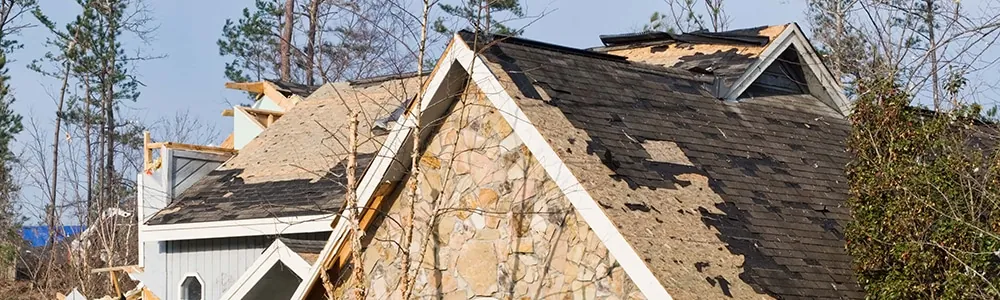

How to Tell If Your Roof Has Hail Damage After a Grand Rapids Storm
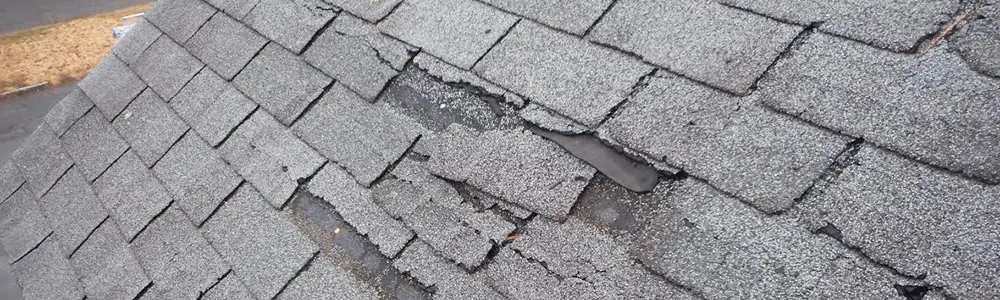
Your roof can look fine from the ground and still have hail damage. That is the part most Grand Rapids homeowners do not realize until water shows up on a ceiling months later, or until an insurance adjuster says the damage is now considered "wear and tear" and is no longer eligible for a claim.
West Michigan storms are not subtle. Recent severe weather across Kent County has included quarter-size hail, 60 to 80-mile-per-hour wind gusts, and damage reports affecting roofs, siding, trees, windows, and vehicles. A storm strong enough to bruise a car hood is more than strong enough to bruise an asphalt shingle. The difference is that you can see the dent on the hood from your driveway. You usually cannot see the damage on your roof without climbing onto it, which is something you should not do.
This guide walks through how to tell if your roof has hail damage after a Grand Rapids storm, what hail damage actually looks like on shingles, what other signs around your house point to roof damage, and when to schedule a hail damage roof inspection in Grand Rapids before small issues turn into expensive repairs.
Why hail damage is so easy to miss
Hail damage on a roof is rarely as obvious as a missing shingle or a tree branch through the attic. Most hail impacts leave behind small, circular bruises on the shingle surface. Those bruises can knock loose the protective granules that shield the asphalt underneath from the sun. Once those granules are gone, the shingle starts to age faster than it should. Sunlight cooks the exposed asphalt, the shingle becomes brittle, and eventually water finds a way in.
From the ground, none of this is visible. The shingles look like shingles. The roof line looks straight. The gutters are still attached. The lawn might even still have a few pieces of hail melting on it after the storm, and a homeowner can reasonably assume the roof handled it fine.
That assumption is the most expensive part of the hail season. Hail damage that goes unreported tends to fall outside insurance claim windows. Many policies require damage to be reported within a specific timeframe after the storm event, and the longer the damage sits, the easier it becomes for an insurer to argue that what you are now seeing is just normal aging. The honest answer is that you cannot reliably know whether your roof has hail damage by looking at it from the lawn. You can only know by inspecting it properly or by having a professional do that for you.
What does hail damage look like on shingles
When a roofer climbs your roof after a hail event, here is what they are actually looking for on the shingles themselves.
Dark circular impact marks are the most common visual indicator. These show up as round spots, often the size of a dime or quarter, where the hailstone hit hard enough to bruise the shingle and dislodge granules. The spot looks darker than the rest of the shingle because the black asphalt mat underneath is now exposed.
Granule loss in the valleys and gutters is another strong signal. If you have asphalt shingles, you can often see a pile of granules collecting in your gutter outlets or at the bottom of a downspout splash block. After a major hailstorm, that pile can be heavier than usual. Some granule loss happens naturally over time. A sudden accumulation right after a storm is not normal aging. It is a sign that the storm took material off the roof.
Soft spots and bruising are something a roofer will feel by pressing on the shingle. A hailstone strong enough to bruise a shingle leaves a spot that feels slightly spongy compared to the surrounding material. This is the underlying mat being compromised. Soft spots are one of the clearest indicators of true hail damage, as opposed to old wear, and they are also one of the most commonly missed signs because they cannot be detected from photos or drone footage alone.
Cracks and splits on the shingle surface can also appear after a heavy hail event, especially on older shingles that were already losing flexibility. These cracks let water sneak in and reach the underlayment and roof deck.
Damaged or dented flashing around chimneys, vents, and skylights is another telltale sign. Metal flashing dents much more visibly than shingles do. If the flashing on your chimney looks pitted or pushed in after a storm, the surrounding shingles almost certainly took a beating too.
Signs of roof hail damage you can spot from the ground
You should not climb your roof to inspect for hail damage. Wet shingles, damaged shingles, and adrenaline are a bad combination, and falls from roofs are one of the most common home accident injuries. But there are still useful clues you can check from the ground after a Grand Rapids storm.
Look closely at your gutters and downspouts. Dented gutters or downspouts are one of the strongest signals that hail came down with real force. If the gutter has dimples in it, the roof did not have a force field. The shingles took at least as much impact, often more.
Check the metal items around your house. AC condenser fins on the outdoor unit bend easily under hail. Mailbox dents, dented garage doors, dimples in siding, and bent window screen frames all tell the same story.
Walk the yard and look for fallen branches, leaves stripped from trees, and shredded plant material on the lawn. A hailstorm strong enough to defoliate trees is strong enough to bruise shingles.
Inside the home, look at ceilings, attic boards, and the underside of the roof decking if you can access it safely. Water stains, drip marks, or daylight visible through the deck are signs that the roof has been compromised, even if you have not seen an active leak yet.
If you spot any of these signs, treat them as enough of a reason to schedule a roof inspection after the hail storm. You do not need to be certain. The point of the inspection is to find out for sure.
Hail damage versus normal roof wear
A common worry from Grand Rapids homeowners is that they will pay for an inspection only to be told the roof is just old. That is a fair concern, and there is a real difference between hail damage and normal wear that any honest roofer should be able to explain to you. As well as, most companies will provide a free inspection.
Normal roof wear tends to be uniform. Granule loss happens evenly across the roof. Shingles curl, crack, or lift in patterns that follow age and sun exposure. South-facing slopes tend to wear faster than north-facing ones. None of this is sudden, and most of it does not show up overnight after a storm.
Hail damage is the opposite. It is sudden, it tends to follow the direction the storm came from, and it leaves the kind of fresh, dark impact marks and bruising that did not exist a week before. A roofer documenting hail damage should be able to point to specific impact points, show you granule loss that is concentrated on the storm-facing slopes, and tie what they are seeing to a specific weather event.
If a contractor cannot clearly explain the difference between hail damage and old wear on your roof, that is a sign to get a second opinion. A good storm roofer documents, explains, and respects deadlines. They should be able to walk you through what is real damage, what is cosmetic, and what is just age.
Why a professional hail damage roof inspection matters
A hail damage roof inspection in Grand Rapids is more than a glance at the shingles. A thorough inspection includes the roof field on every slope, the flashing around chimneys and penetrations, the gutters and downspouts, the soffit and fascia, the attic underside if accessible, and the surrounding property elements that can confirm the storm path.
A good inspection produces written documentation. That documentation should include the date, address, observed conditions, and photos of the actual damage points. If hail damage is found, those photos and notes become the evidence base for an insurance claim if you decide to file one. If no real damage is found, you walk away with peace of mind and a baseline record of your roof's condition.
This is also where timing matters. After a hail event in Michigan, the clock starts ticking on insurance claim eligibility. Waiting until the next winter to see if anything leaks is a strategy that frequently backfires. By then, the damage is harder to attribute to the storm, easier to dismiss as wear, and more expensive to repair because moisture has had months to work its way into the decking.
You do not have to file a claim to have an inspection. An inspection just tells you what is actually happening on your roof. What you do with that information is up to you.
When to call for an inspection in Grand Rapids
You should schedule a hail damage roof inspection in Grand Rapids if any of the following are true after a recent storm.
Severe weather warnings mentioned hail in Kent County or surrounding communities like Wyoming, Kentwood, Grandville, Walker, Rockford, Ada, Cascade, Belmont, Comstock Park, or Sparta. The storm passed through your neighborhood and you have hail dents on any metal surface around your home, including gutters, AC units, garage doors, or vehicles. You see granules pooling at the base of your downspouts. You notice new water stains on a ceiling or in the attic. Your insurance company sent a notice about storm activity in your area. Your roof is more than ten years old and you have not had an inspection since the last major hail event.
You should especially not wait if you have already seen any active leaking, missing shingles, or exposed roof decking. Those situations call for emergency response, not a routine inspection.
What to do before your inspection
There are a few simple things you can do as a homeowner that make the inspection more useful and protect you in case a claim becomes necessary.
Take date-stamped photos of any visible damage from ground level. Capture dented gutters, dimpled siding, damaged screens, and any debris. If you have an active leak, photograph the interior water damage as well. Note the date and time of the storm if you remember it, and save any weather alerts on your phone. Do not throw away damaged materials such as fallen flashing pieces or shingle fragments in the yard until they have been documented. Resist the urge to climb the roof yourself, even with a ladder. Most roof falls happen on sloped surfaces in conditions exactly like this, and the inspection results are the same either way.
If your roof is actively leaking, place a bucket under the drip, move valuables out of the affected area, and request emergency roof help rather than a standard inspection.
The bottom line
The hardest thing about hail damage is that the worst version of it does not look bad right away. It hides inside the shingle, accelerates aging, and shows up as a leak or a denied claim months later when the storm is no longer fresh in anyone's memory.
If a recent Grand Rapids storm dropped hail near your home, treat your roof the same way you would treat your car after a fender bender. You would not assume the car was fine just because it drove home. You would have someone look at it. Your roof deserves the same standard, and the inspection is free.
Schedule a free hail damage roof inspection
Above Roofing offers free, no-obligation storm damage roof inspections in Grand Rapids and the surrounding West Michigan communities, including Wyoming, Kentwood, Grandville, Walker, Rockford, Ada, Cascade, Belmont, Comstock Park, and Sparta. If a recent storm passed through your area, the safest and most accurate way to know whether your roof was affected is to have a professional take a closer look.
Request your free storm damage roof inspection today, and get clear, photo-backed answers about your roof before water damage, missed deadlines, or future weather make the problem worse.
For more information on storm-related roof repairs, insurance documentation, and emergency response, visit the Storm and Hail Damage Roof Repair page.
Frequently asked questions
How can I tell if my roof has hail damage without climbing on it?
You usually cannot confirm hail damage from the ground, but you can spot strong indicators. Check for dented gutters, dimpled siding, bent AC fins, damaged window screens, and a sudden buildup of shingle granules at downspouts. Any of these signs is enough reason to schedule a professional roof inspection after the hail storm.
What does hail damage look like on shingles up close?
Hail damage on asphalt shingles usually appears as dark circular impact marks where granules have been knocked loose, soft or bruised spots that feel spongy to the touch, exposed black mat underneath the shingle surface, and sometimes small cracks or splits in the shingle.
Can hail damage cause a roof leak later, even if my roof is not leaking now?
Yes. Hail damage often does not cause an immediate leak. It compromises the shingle, accelerates aging, and creates conditions where the next heavy rain, ice dam, or wind event leads to a leak weeks or months down the road. This is why early inspection matters.
Should I file an insurance claim for hail damage?
That depends on your policy, your deductible, and the extent of the damage. The most important first step is documentation. A professional inspection with written notes and photos gives you the information you need to make that decision, and gives the insurance adjuster something concrete to work from if you do choose to file.
Is a roof inspection after a hail storm really free?
Yes. Above Roofing provides free, no-obligation hail damage roof inspections in Grand Rapids and the surrounding area. You are not committing to repairs by requesting one. You are just finding out the truth about your roof.
How quickly should I have my roof inspected after a hail storm?
As soon as possible. Insurance claim windows can be limited, water damage gets worse over time, and the connection between your damage and a specific storm becomes harder to prove the longer you wait. If a recent storm dropped hail in your area, treat the inspection as a same-week priority.
Related articles
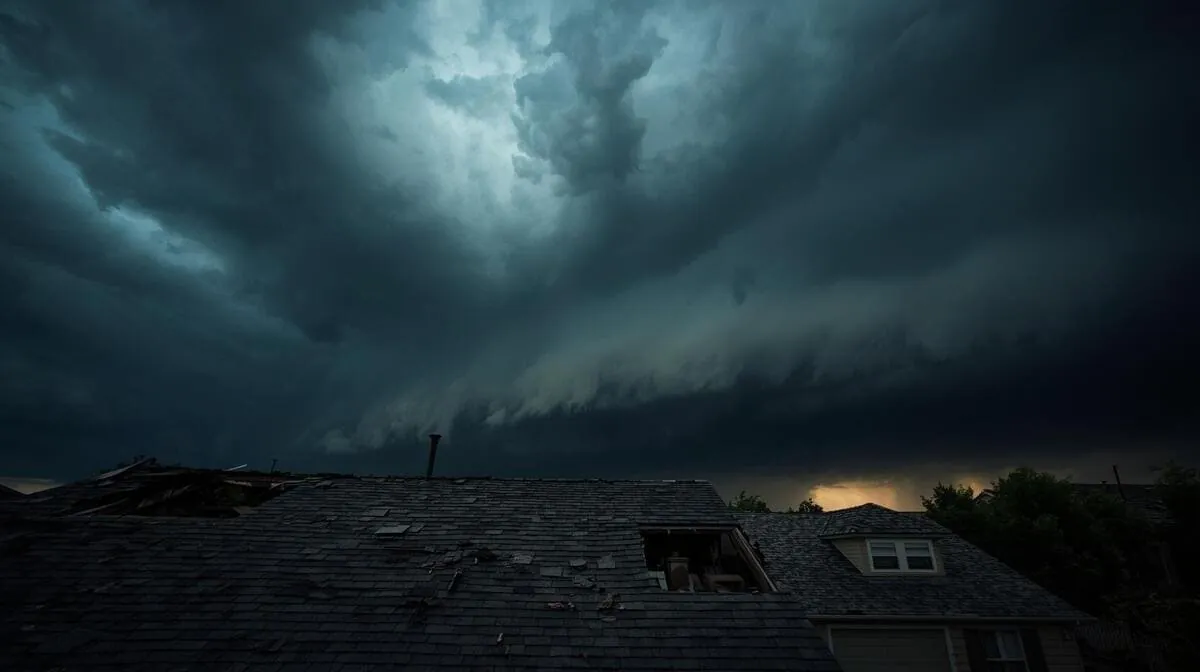
Grand Rapids Storm Damage Checklist for Homeowners

Best Roofer for Storm Damage Insurance Claims in Grand Rapids

What to Photograph Before Filing a Roof Insurance Claim