
Missing Shingles After a Storm: Repair or Replace?
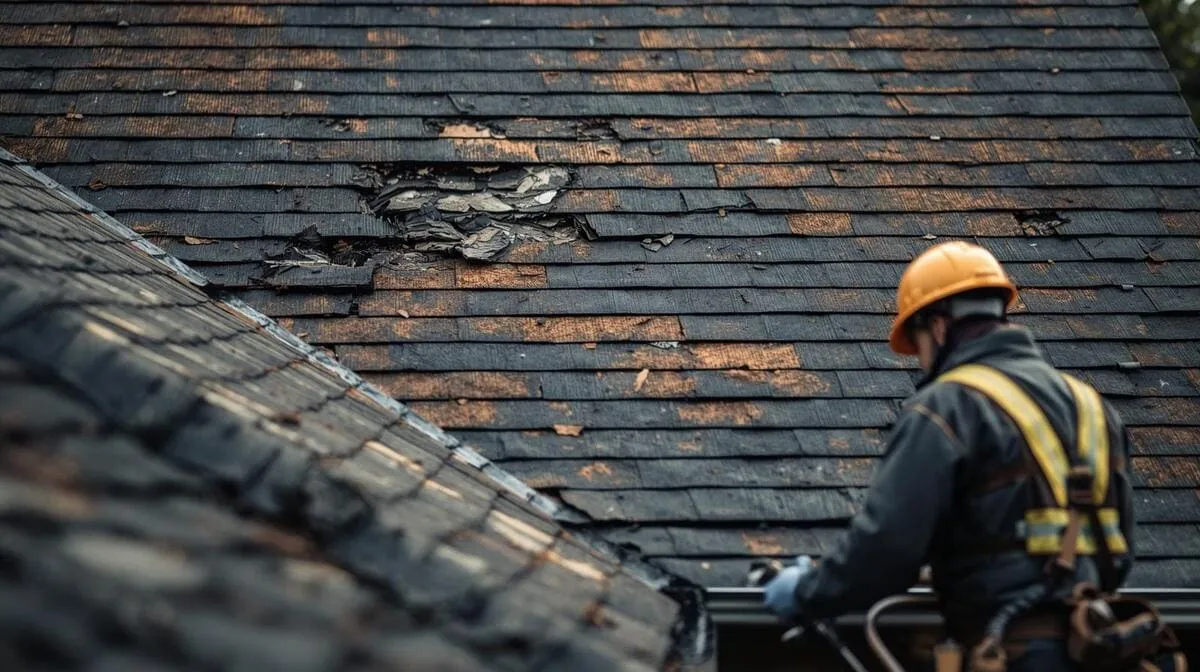
One missing shingle does not always mean you need a new roof.
That sentence is important because the door-knockers and storm chasers who show up in Grand Rapids neighborhoods the day after a windstorm often suggest otherwise. They see a few shingles on the lawn, they see a few patches of exposed underlayment, and they walk to your door with a sales pitch that ends in "full replacement." Sometimes that's the honest answer. Most of the time it isn't.
If you've discovered missing shingles after a storm in Grand Rapids, this guide walks through how to think about the repair-or-replace decision, what wind damage actually does to a shingle system, when missing shingles are a localized problem and when they're the visible part of something bigger, and what to do before you sign anything with anyone.
The first thing to know: missing shingles are usually a repair, not a replacement
A small number of missing shingles after a storm is one of the most common storm-damage scenarios, and it's also one of the most repairable. A skilled local roofer can match shingles, prep the area, and replace the missing pieces in a few hours: often well under what a deductible would cost, and certainly less than what a full replacement runs.
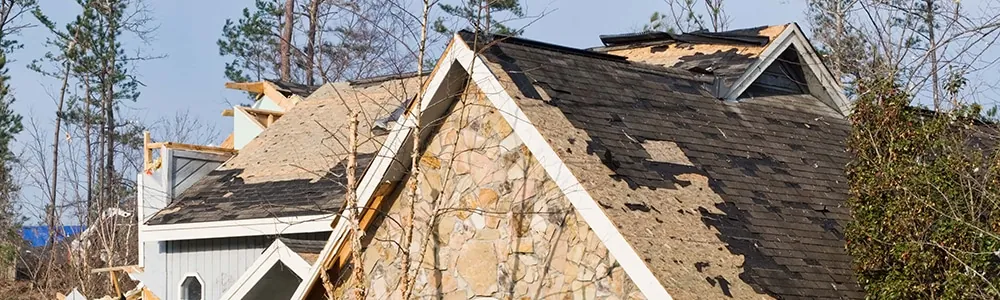
The reason wind damage often produces a repair-sized job is the way wind moves across a roof. Even severe gusts don't usually lift every shingle equally. They find the edges, the corners, the spots where the seal strip had already weakened from age or sun exposure, and they peel from there. The result is often a localized patch of lifted or missing shingles on one slope, frequently along the windward edges, rather than uniform damage across the entire roof.
That said, "usually" isn't "always." There are real scenarios where missing shingles indicate damage beyond the visible patch, and those are the situations a good inspection is designed to catch.
Why the visible damage is sometimes only half the story
Here's what most homeowners don't realize about wind-damaged shingles: a shingle that is still in place can still be functionally damaged.
Asphalt shingles rely on factory-applied adhesive strips that bond each shingle to the one below. That seal is what keeps the roof system watertight in wind and rain. When wind lifts a shingle hard enough to break that seal, the shingle might fall back into place and look normal from the ground or from the air, but the seal is broken, and the next strong wind or driving rain has a much easier time pushing water under it.
This is why wind damage assessments include more than just counting missing shingles. A good inspection checks the surrounding shingles for:
- Broken adhesive seals (often detected by gently lifting a shingle to test the bond)
- Creased or bent shingles where the lift fractured the mat without removing the shingle
- Lifted edges or corners that are no longer flush
- Damaged or compromised flashing along the same edge that lost shingles
- Underlayment exposure or damage where shingles came off entirely
If you only have a few missing shingles but the surrounding rows are broken-sealed and creased, the affected area is bigger than what's visible. A repair that only replaces the missing pieces leaves the rest as a future leak waiting to happen.
When missing shingles point to a repair
Most missing-shingle scenarios fall in this category. The case for a focused repair is usually strong when:
- The missing shingles are concentrated in a small area, often along one edge or ridge
- The roof is in reasonable overall condition with normal wear for its age
- The surrounding shingles are still well-sealed and not creased
- The underlayment in the exposed area appears intact
- The flashing in nearby areas is still in good shape
- No widespread damage is visible on the other slopes
A localized shingle repair in Grand Rapids typically involves matching the existing shingles as closely as possible (more on this in a moment), prepping the exposed area, replacing the missing or damaged shingles, and ensuring the surrounding rows are properly resealed where the storm broke the bond.
Done well, a localized repair extends the life of the roof without the cost of a full replacement, and it's usually the right answer when the damage really is contained to a small area.
When missing shingles might mean a partial or full replacement
Some missing-shingle scenarios point past a simple repair. A replacement conversation becomes legitimate when:
- Missing shingles are spread across multiple slopes or large sections of the roof
- The roof was already nearing the end of its service life before the storm (typically 18–25 years for a standard asphalt shingle roof, depending on quality and conditions)
- A large percentage of remaining shingles show broken seals, creasing, or lifting
- Underlayment is significantly damaged or exposed in multiple areas
- The flashing system has been widely compromised
- Granule loss across the whole roof is extensive
- There's clear evidence of widespread hail damage in addition to the wind damage
- A previous patchwork of repairs has already accumulated, making future repairs cosmetically and functionally challenging
A roof that meets several of those criteria is usually past the point where a small repair makes financial sense. Each additional repair on a roof in that condition extends the problem rather than solving it.
The honest middle ground exists, too. Sometimes a single slope is in much worse shape than the others, a slope that took the brunt of multiple storms over the years, for example, and a partial replacement of that one slope is the right call. Reputable Grand Rapids roofers handle partial replacements when the situation justifies them, and they don't push for a full replacement when only a section needs it.
The color-matching reality
One question that comes up almost every time on shingle roof repair in Grand Rapids: will the new shingles match the old ones?
The honest answer is "close, but not perfect." Asphalt shingle colors are designed to age slowly, and even shingles of the same product code from the same manufacturer can vary slightly between production batches. On top of that, weathered shingles on the roof have been baking in sun and rain for years, while fresh shingles haven't, so even an exact-match product will look slightly different at install. Within a few months of weathering, the new shingles typically blend much more closely with the surrounding roof.
A good roofer takes the color question seriously. That includes identifying the existing shingle product where possible, matching the closest current color when the original is no longer available, and being upfront with the homeowner about how the match will look on day one versus six months in.
If color matching is critical, for example, on the most visible front-facing slope of the home, or on a home being prepared for sale, that's worth discussing during the inspection. Sometimes the right answer is to source matching shingles; sometimes it's a partial slope replacement that gives a cleaner line, and occasionally it pushes toward a more comprehensive replacement conversation.
What to do before anyone touches your roof
Whether the answer turns out to be a localized repair or a larger replacement, the steps before any work begins are the same.
Photograph the damage from the ground.
Capture the missing shingles, any shingles you can see on the lawn, any visible underlayment, and any related damage to gutters, siding, or windows. Date-stamped photos protect you in case of an insurance claim and give the inspector a clearer picture of what they're walking into.
Pick up loose shingles in the yard, but don't throw them away.
A piece of the actual missing shingle helps a roofer identify the product and find a match. Stash them in a garage or shed until the inspection.
Schedule a documented inspection.
Don't accept "I'll come give you a quote" without a written assessment. You want to know exactly what they found, what's missing, what's damaged but still in place, what's still in good shape, so you can make a real decision.
Avoid signing anything with door-knockers.
This is the section worth repeating. Out-of-area "storm chaser" contractors swarm Grand Rapids neighborhoods after windstorms and pressure homeowners into signing contracts in the driveway. A legitimate roofer will give you the inspection report, give you time to think, and respect your decision either way.
What roof repair after wind looks like in practice
A typical shingle roof repair in Grand Rapids after a wind event follows a predictable path:
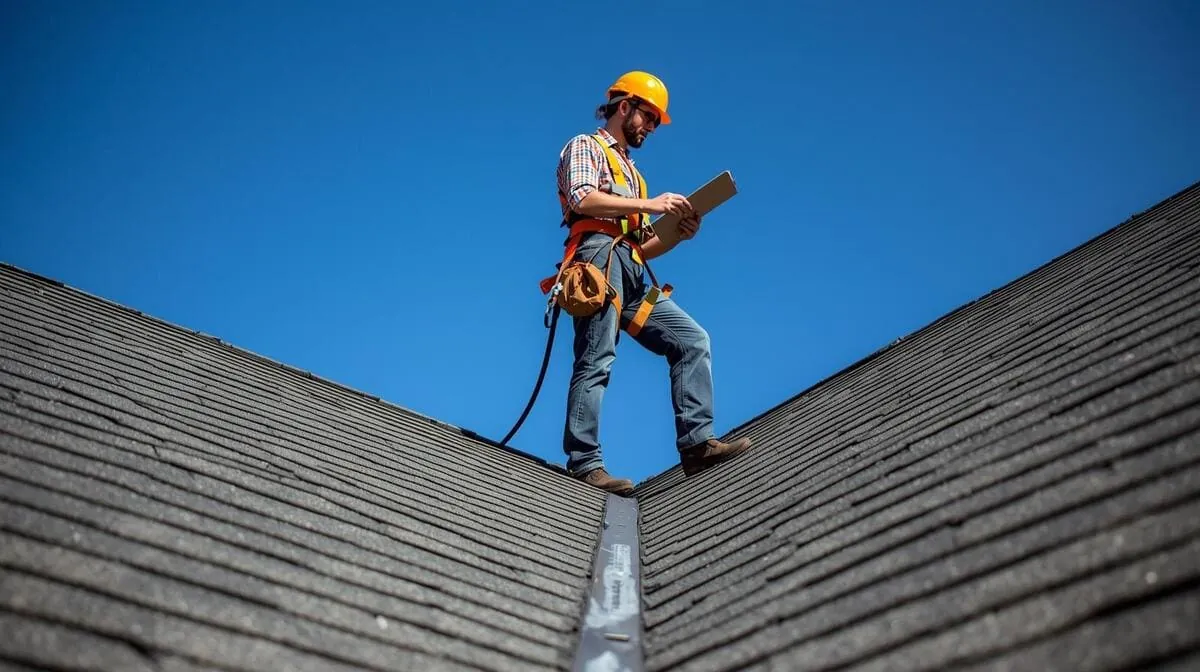
The roofer inspects the damaged area, identifies the shingle product, and sources a match. They prep the area by removing any damaged shingles still in place, checking the underlayment, and making sure the deck is sound. They install the replacement shingles, ensuring proper alignment, nailing pattern, and seal strip activation. They check and re-seal the surrounding shingles if the wind broke nearby bonds. They walk the homeowner through what was done and provide documentation of the repair.
A localized repair on a small section is often a half-day job. A larger repair across a slope is usually a one- or two-day job depending on roof complexity. A roof in this condition rarely needs scaffolding or specialty equipment beyond what a reputable local roofer brings to any job site.
When to call right away
Some missing-shingle situations are urgent. Don't wait on the inspection if any of the following are true:
- The forecast shows rain in the next 24 to 48 hours, and you have exposed underlayment or visible decking
- You can see daylight through the roof from inside the attic
- A leak has already started inside the home
- A tree or other object hit the roof, along with the wind event
- The missing area is large enough that you can see substantial roof structure from the ground
In those situations, you need emergency tarping first, then the full inspection and repair conversation second. The goal is to keep the next rain from turning a manageable repair into a much larger water-damage project.
Have the affected area inspected
Above Roofing provides documented inspections and shingle roof repair across Grand Rapids and the surrounding West Michigan communities, including Wyoming, Kentwood, Grandville, Walker, Rockford, Ada, Cascade, Belmont, Comstock Park, and Sparta.
If you've discovered missing shingles after a storm, the safest move is to have the affected area professionally assessed before deciding on repair, partial replacement, or anything more comprehensive. We'll tell you what's actually going on with your roof, including whether it's a quick repair, a more substantial scope, or something in between, and give you a written record either way.
For more on roof repair, storm response, and emergency tarping, visit our roof repair page or our Storm and Hail Damage Roof Repair page.
Frequently asked questions
Related articles
Grand Rapids Storm Damage Checklist for Homeowners

Best Roofer for Storm Damage Insurance Claims in Grand Rapids
What to Photograph Before Filing a Roof Insurance Claim